Music Reviews That 
Tell the Truth...

Beatchk Music is your daily dose of genuine opinions — every track reviewed across five factors, so you know exactly what you’re listening to. Dive in and rate the music with us.

Latest Song Reviews

Tommy Richman – Million Dollar Baby

The central theme of ‘Million Dollar Baby’ is desire, luxury, and the intoxicating nature of attraction. The lyrics portray the object of affection as someone rare, valuable, and irresistible, with the ‘million dollar baby’ serving as a metaphor for both beauty and status. Tommy Richman emphasizes themes of admiration and indulgence, celebrating the feeling of being swept away by someone glamorous. The song’s groove and repetition help reinforce the hypnotic and addictive qualities of desire, much like the fixation described in the lyrics.

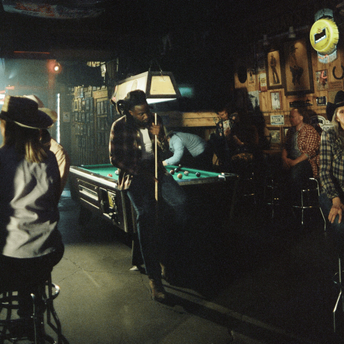
Shaboozey – A Bar Song (Tipsy)

The central theme of ‘A Bar Song (Tipsy)’ is the pursuit of escapism and camaraderie through drinking culture. The song draws heavily on the atmosphere of bars, alcohol consumption, and the carefree, often reckless behaviors that accompany intoxication. Shaboozey uses humor and energy to highlight how alcohol becomes both a social connector and a personal outlet. Throughout the track, the themes of celebration, indulgence, and the consequences of excess weave together, creating a picture of nightlife where fun is abundant but responsibility is fleeting.

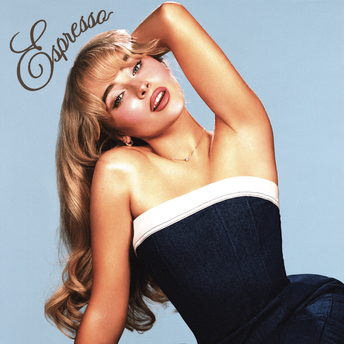
Sabrina Carpenter – Espresso

The central theme of ‘Espresso’ is playful self-confidence and the allure of charisma. Sabrina Carpenter builds the track around the metaphor of coffee — particularly espresso — to symbolize energy, desirability, and addictive attraction. The lyrics present themes of flirtation, empowerment, and lighthearted fun, framing the singer as someone irresistible and full of charm. This theme is developed through cheeky one-liners, a buoyant melody, and a rhythm that captures the rush of caffeine, reinforcing the metaphor throughout the track.

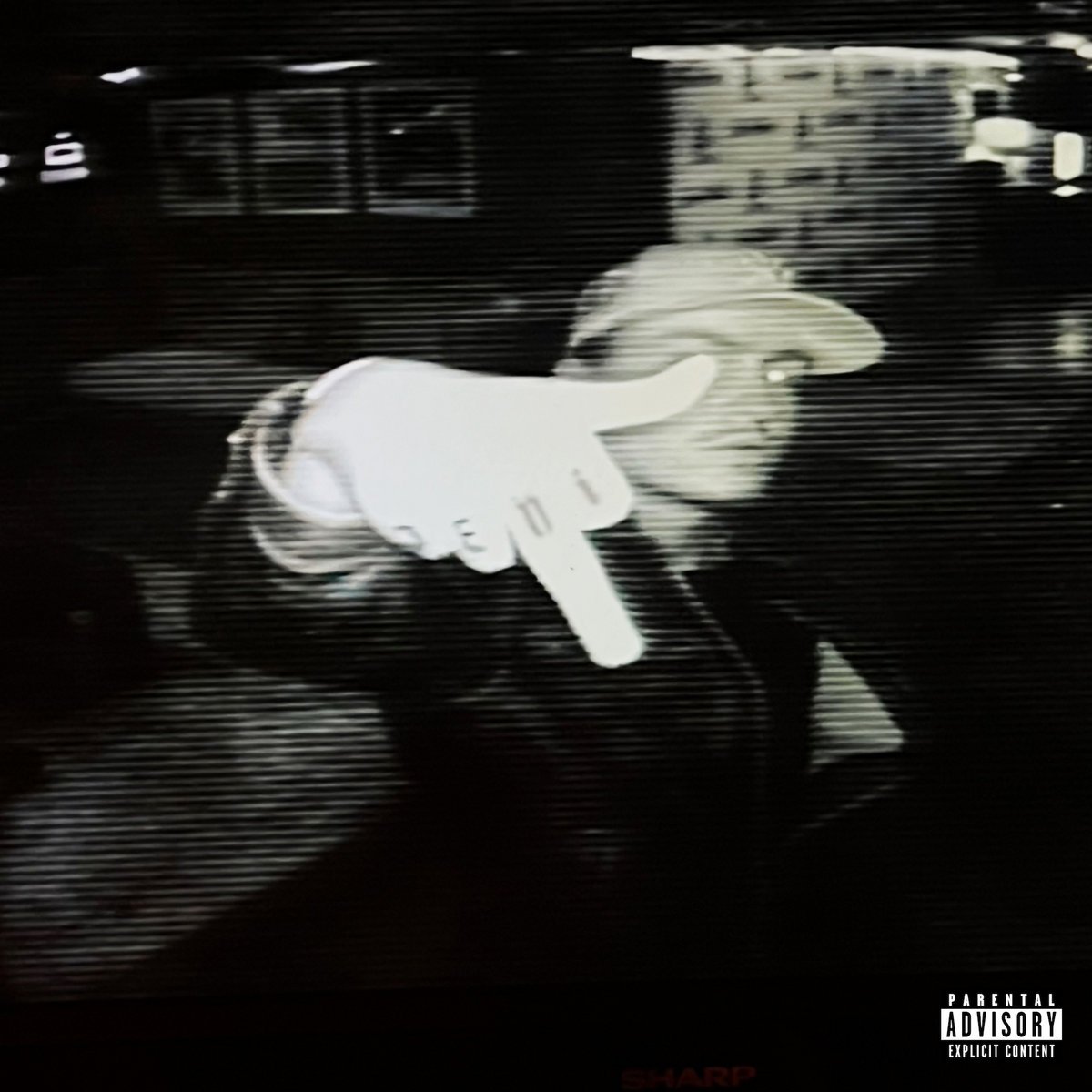
Post Malone & Morgan Wallen – I Had Some Help

The central theme of ‘I Had Some Help’ revolves around the complexities of failed relationships and the refusal to take full responsibility for their collapse. Post Malone and Morgan Wallen deliver a dialogue-like exchange that highlights blame-shifting, vulnerability, and defensiveness. The lyrics stress that breakups are rarely one-sided, pushing back against narratives that paint one party as entirely at fault. This theme is developed through conversational phrasing, a balance between melody and twang, and a hook that reinforces the idea of shared accountability. The country-pop fusion underscores the universality of heartbreak, drawing from both genres’ traditions of emotional honesty.

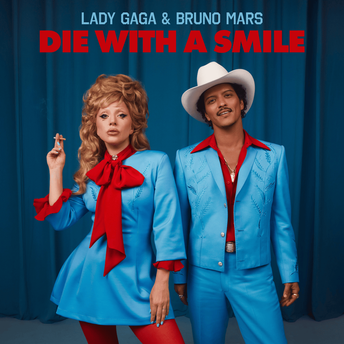
Die with a Smile

“Die with a Smile” explores the delicate balance between the joy of living and the certainty of mortality. Delivered as a duet, the song urges listeners to fully embrace life—its love, grief, and fleeting connections—recognizing that death can deepen the impact of every moment. The interplay of Gaga’s dramatic vocal prowess and Mars’s soulful warmth amplifies this duality. Lyrically, it offers a philosophy of gratitude born from impermanence, encouraging emotional intensity and presence. Musically, lush orchestration and dynamic crescendos create moments of triumph and reflection, reinforcing the idea that beauty and sorrow are inseparable partners in an authentic existence.

Not Like Us

“Not Like Us” is a confrontational and introspective diss track anchored in themes of authenticity, cultural integrity, and musical lineage. Kendrick Lamar positions himself as the defender of real hiphop values, contrasting them with what he sees as the manufactured, commodified persona of Drake and his affiliates. The track interrogates issues of cultural appropriation, sexual impropriety, and industry fakeness while reaffirming loyalty to his Compton roots. Repetition of the chorus (“they not like us”) emphasizes exclusion and moral dissonance. The aggressive hyphy-influenced production, combined with sharp lyrical content, reinforces the song’s insistence on moral and artistic realness over commercial posturing.